
Somatic Coaching
Hi, I’m Danielle.
I work with adults who are ready to recover from narcissistic abuse and regain control of their lives.
Trained in …
IFS-informed
Yoga Teacher (in training)
Integrative Attachment
Somatic Experiencing

Somatic Coaching
I offer 50, 75 or 90-minute somatic coaching sessions for adults who have left narcissistically abusive partners and are ready to regain control of their lives.
-
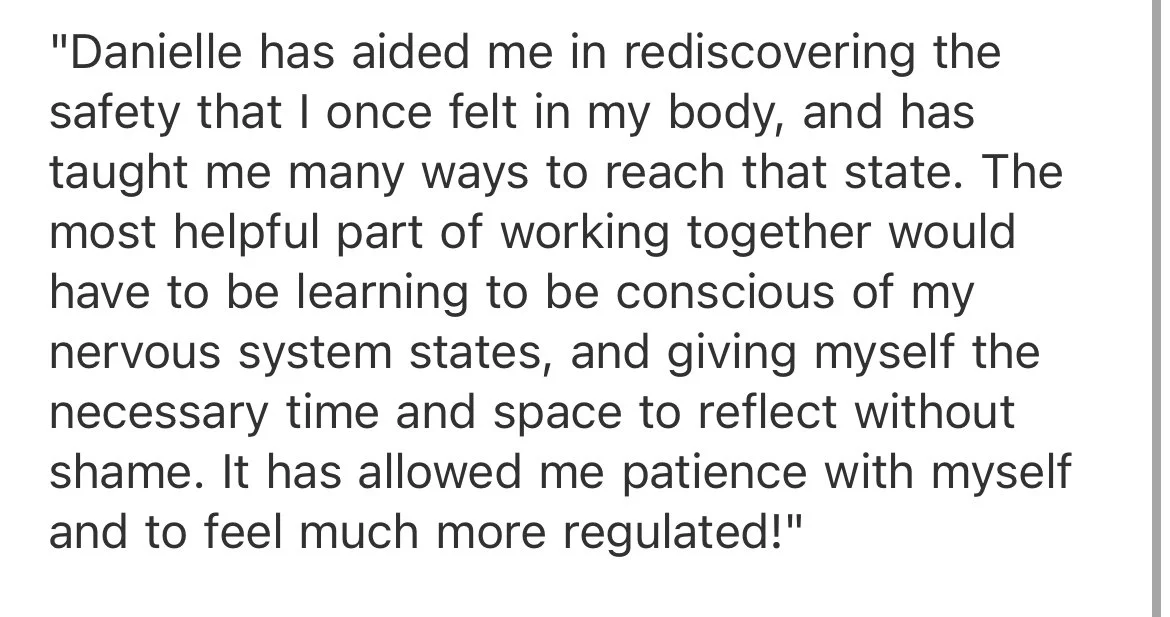
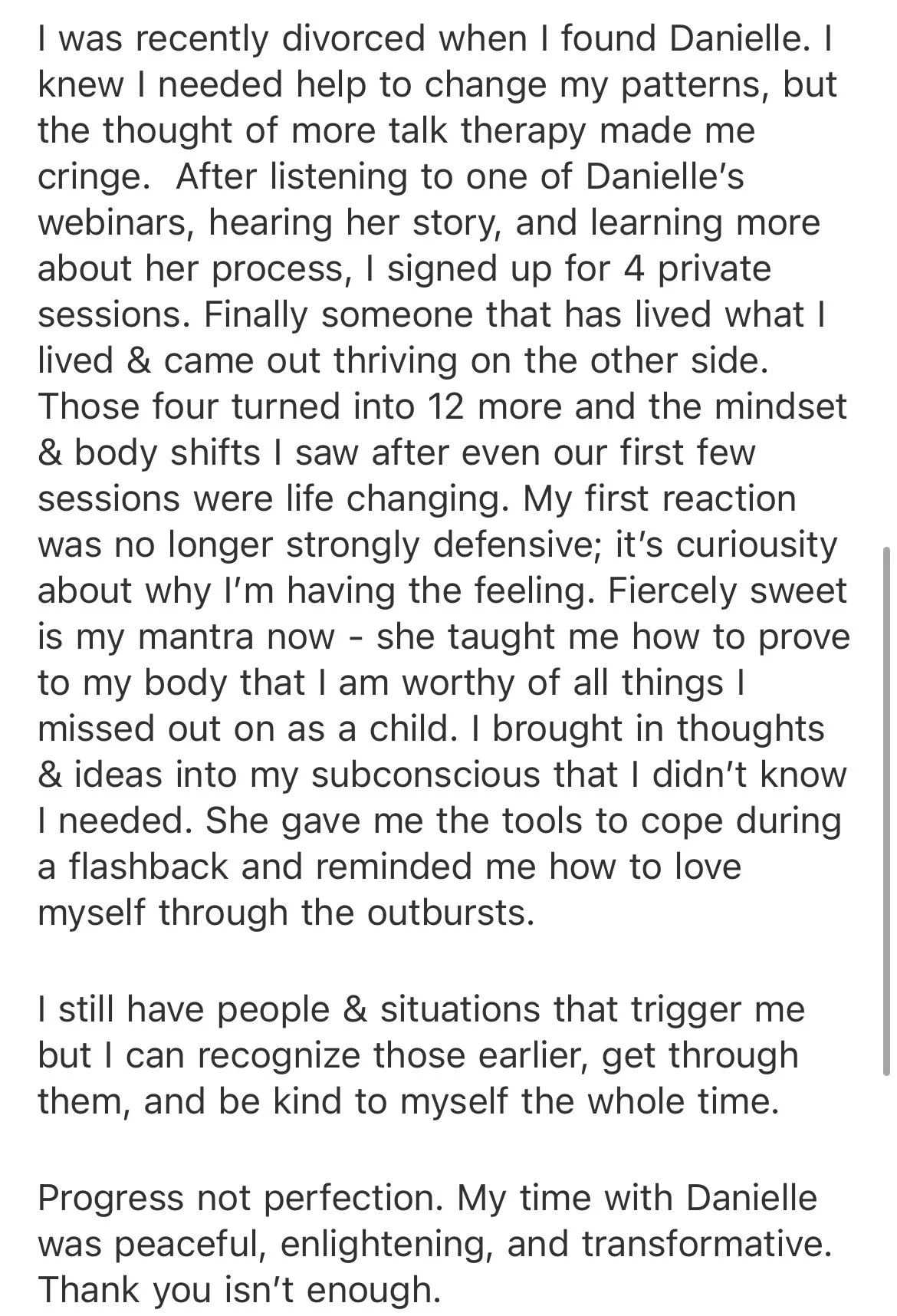
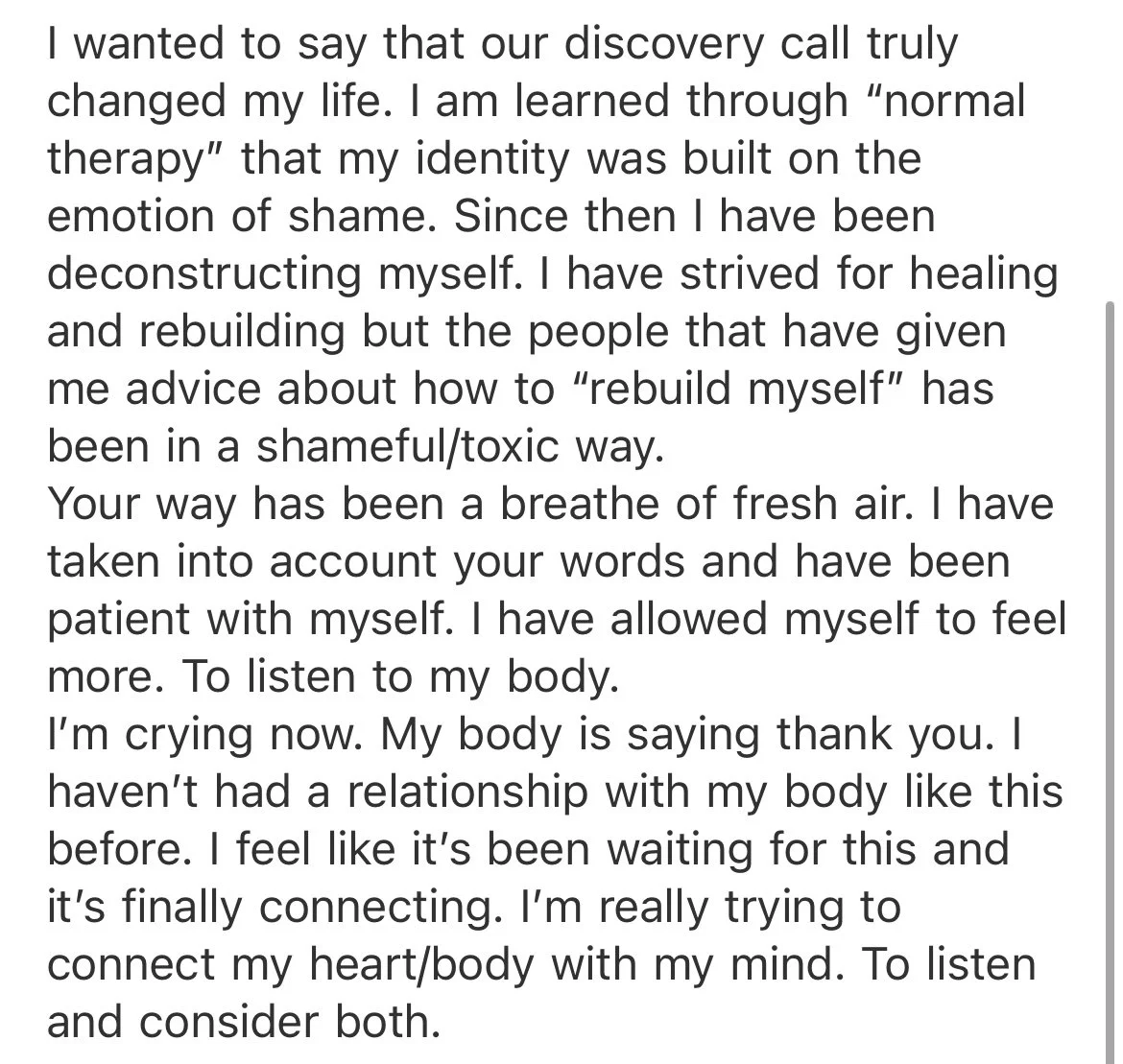
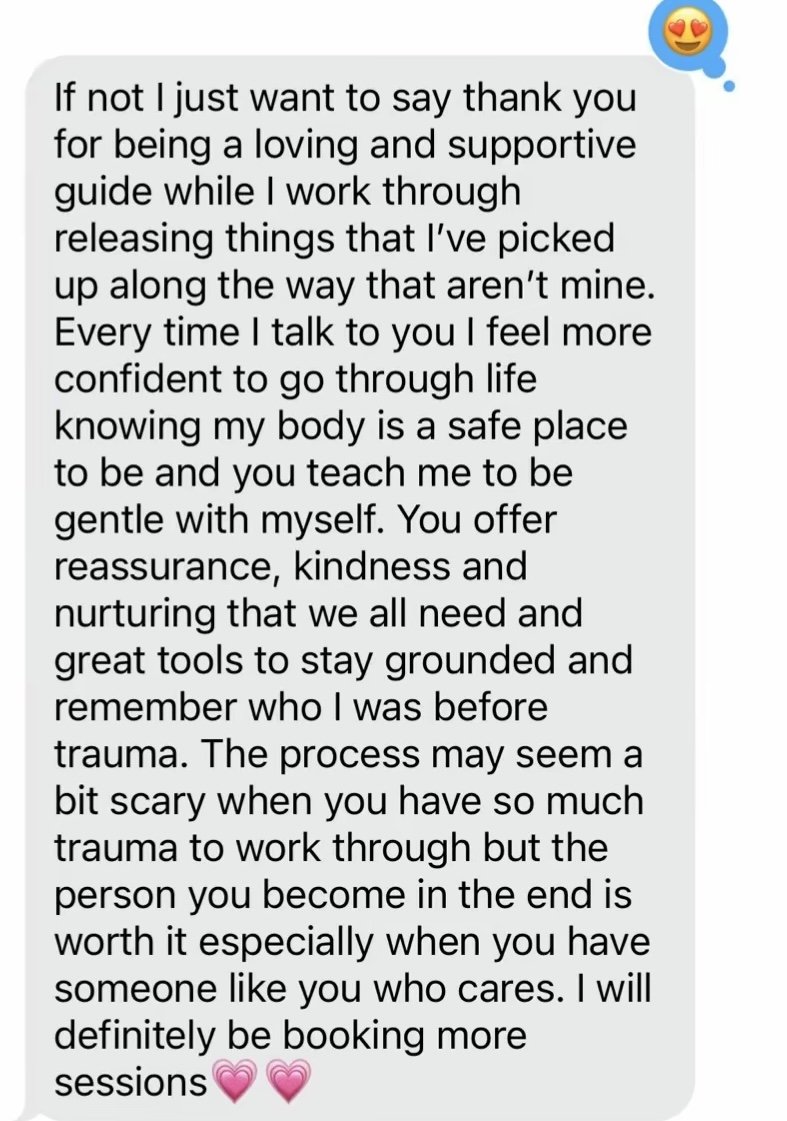
Through body-based practices, sessions are designed to support your nervous system in completing stuck survival responses, while integrating attachment wounds from abuse.
*Online sessions only at this time.
Sessions are $230 per 50-min sessions.
Coaching is not a replacement for psychological, mental health or DSM-services.
-
Narcissistic abuse often leaves a person with a dysregulated nervous system. Learn how to build an intimate relationship with your nervous system, click here to access the course.
Our Process
Nervous System Stabilizing
Narcissistic abuse cycles keep your nervous system stuck in the extremes of overstimulation on high-alert or disconnected in shutdown mode; numb and spacey.
Master your nervous system state shifting, ground into your body and settle an over-intellectualizing mind.
Emotional Regulation
One of the main way a narcissist attempts to dominate you is by purposely triggering emotional reactions.
Regulate your emotions by metabolizing them through your somatic body, while building the capacity to stay connected and express the full range of your emotions.
Gaslighting Recovery
Narcissists commonly use DARVO (Deny, Attack, and Reverse Victim and Offender) to psychologically and emotionally manipulate you instead of taking accountability for how they hurt you, making amends and repairing ruptures.
Once you’ve left, this often shows up as an internalized-gaslighting voice that mimics the narcissist abuser.
Regain authority of your mental space by rebuilding self-trust and by building up your capacity for self-protection with body-based practices.
Secure Attachment
A main reason survivors often return to an abuser is because of inner self-aspects that hold insecure attachment.
This can show up as anxious, avoidant or disorganized (fearful-avoidant) attachment styles.
Repair your insecure attachment style so that you can confidently move forward by learning how to spot and receive healthy, nourishing and loving relational dynamics.
Client Testimonials